Timeline of Conflict

DRC

Democratic Republic of the Congo

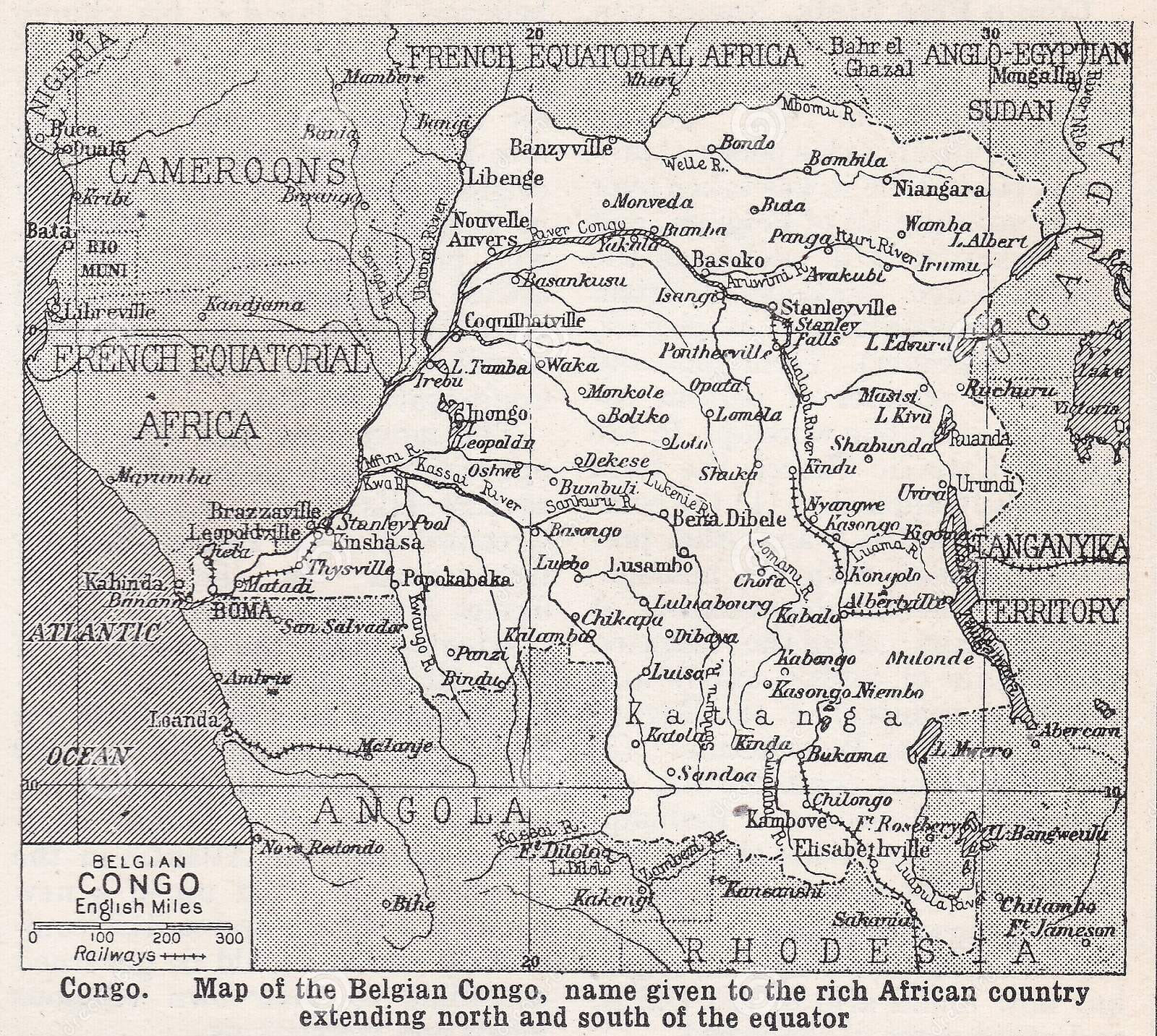
The Democratic Republic of the Congo (DRC) is the second largest country in Africa and biggest in the Sub Sahara. It occupies the central part of the continent, covered with lush vegetation and arable land, it’s forest is second in size only to the Amazon in the world, it also possesses about 40% of Africa’s natural resources, many of which e.g. Cobalt & Cassiterite, can only be found in the DRC.

Unfortunately, its people are some of the poorest in the world, with the eastern part of the country ravaged by civil war and rebel groups, making it one of the most dangerous regions on Earth.

To understand the current context and state of affairs in Congo, one has to know the roots of the conflict.

DRC

Democratic Republic of the Congo

The Democratic Republic of the Congo (DRC) is the second largest country in Africa and biggest in the Sub Sahara. It occupies the central part of the continent, covered with lush vegetation and arable land, it’s forest is second in size only to the Amazon in the world, it also possesses about 40% of Africa’s natural resources, many of which e.g. Cobalt & Cassiterite, can only be found in the DRC.

Unfortunately, its people are some of the poorest in the world, with the eastern part of the country ravaged by civil war and rebel groups, making it one of the most dangerous regions on Earth.

To understand the current context and state of affairs in Congo, one has to know the roots of the conflict.

The timeline below details the history of the DRC.

  • Pre1400
       

    Pre1400 – 

    It is believed humans lived in the DRC for 1000s of years; however, the first real states of Kanga, the Lunda, Luba and Kuba in the region were founded from the 14th century onwards.

  • 1483
       

    1483 – 

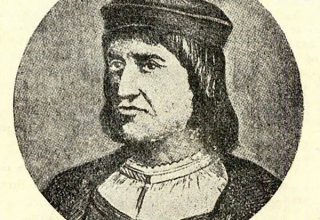
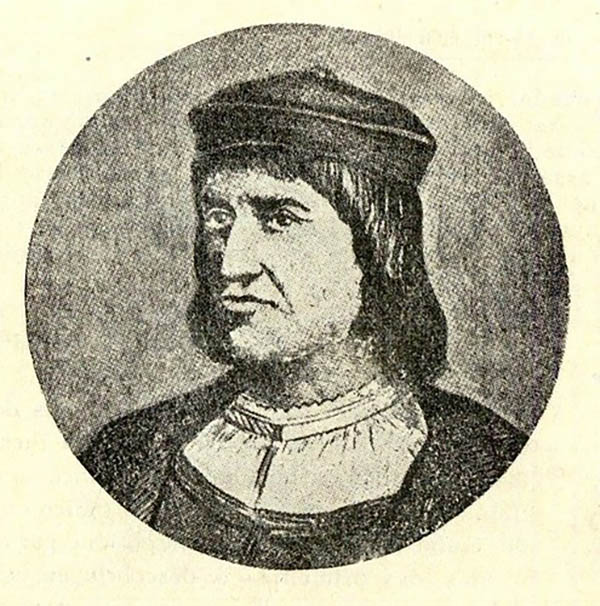
    In 1483, the Portuguese explorer Diego Cao reached the coast of the Kanga kingdom. The Portuguese started trade with the kingdom, followed in addition to the Trans Atlantic Slave trade from the mid 1500 to 1850.

  • 1870
       

    1870 – 

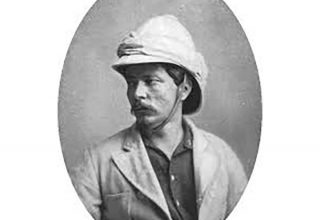
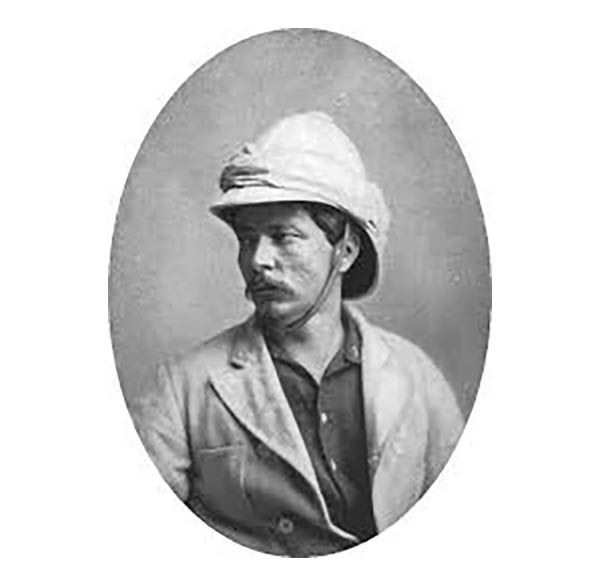
    In 1870, the explorer Henry Morton Stanley arrived in the Kanga Kingdom and explored much of the present day DRC.

  • 1884
       

    1884 – 

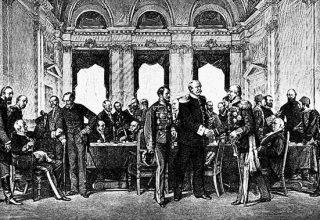
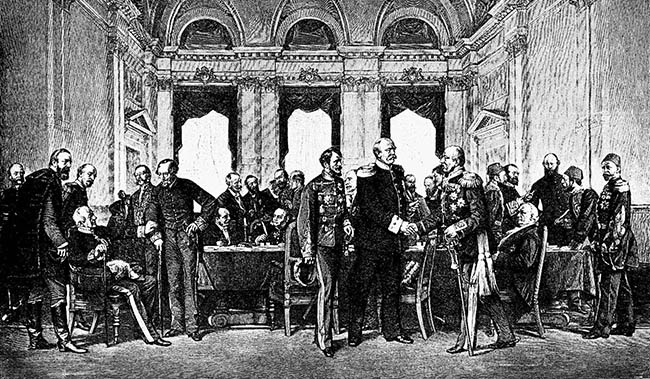
    After the Berlin Conference of 1884, the entire landmass of the DRC was given to King Leopold II as his personal property, which he named The Congo Free State.

  • 1908
       

    1908 – 

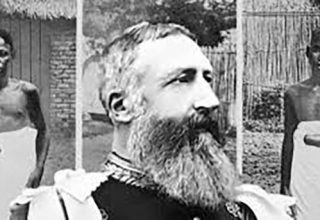
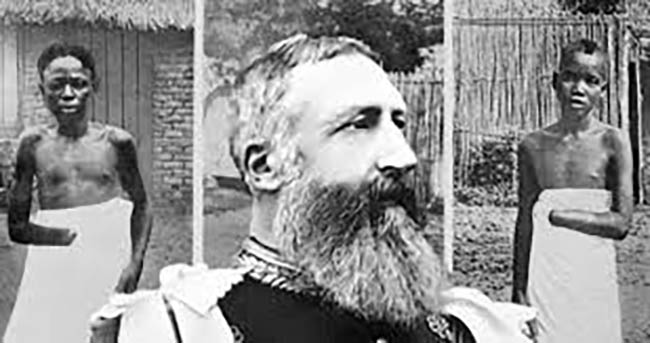
    King Leopold exploited the Congo Free State for its resources over the next 23 years. It is believed the country lost almost half its population, due to extreme human rights abuses. When reports of King Leopold II atrocities became known to the general public outside Belgium, there was such an outcry he had to transfer ownership of the country to the government of Belgium, it thereby became known as the Belgian Congo.

  • 1960
       

    1960 – 

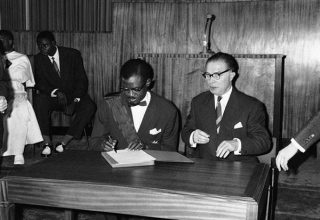
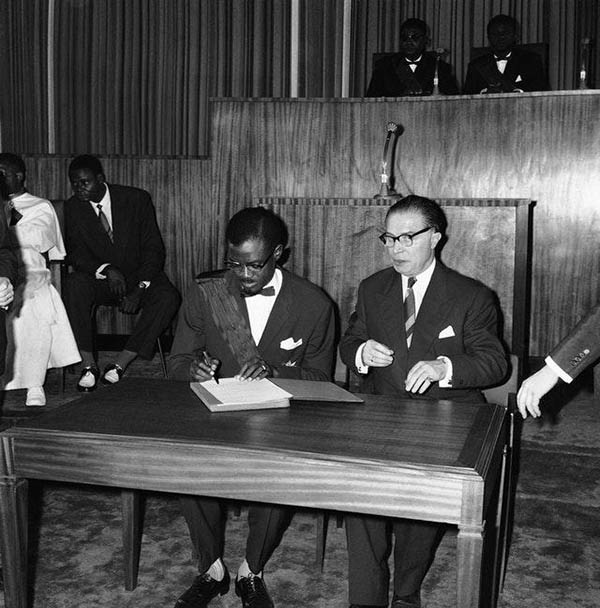
    The Belgian Congo remained a Belgian colony till 1960, when the winds of change swept through Africa and the Belgian Congo was granted its independence. It became known as the Democratic Republic of the Congo.

  • PreludeToConflicts
       

    PreludeToConflicts – 

    NB – It must be noted, during the colonial period the Belgians ensured the Congolese were not well educated. Therefore at independence not a single native Congolese had above high school education, and both the new President Kasavubu and the Prime Minister Patrick Lumumba had just received basic education. Lumumba just had a bit more specialist training from his post office job, Kasavubu received some seminary training after school. Neither of them had even run an organization.

  • Mutiny
       

    Mutiny – 

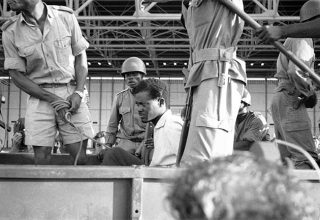
    Two days after independence, there was mutiny in the army, shortly afterwards one of the provinces, Katanga, seceded from the Congo. Lumumba made the mistake of requesting Soviet military assistance, which plunged the Congo into the Cold War.

  • 1965
       

    1965 – 

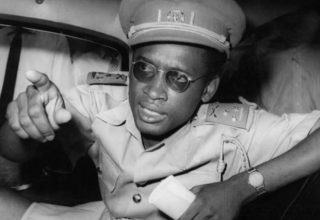
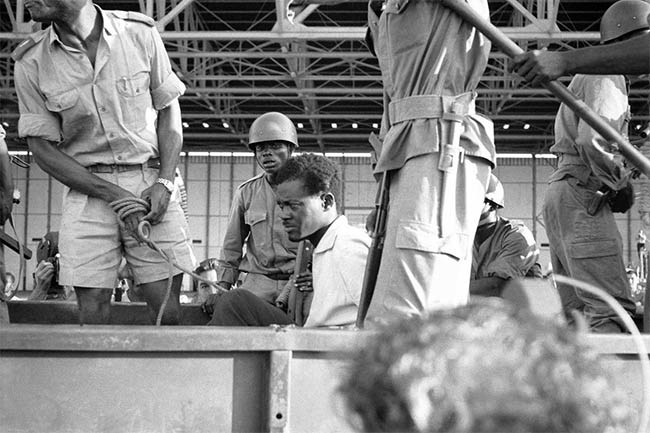
    There was a civil war from 1960 to 1965, with external powers from East and West instigating the Congolese. Lumumba was murdered in 1961, and finally, in 1965, Mobutu took full power and appointed himself head of state.

  • Zaire
       

    Zaire – 

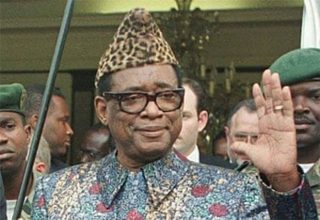
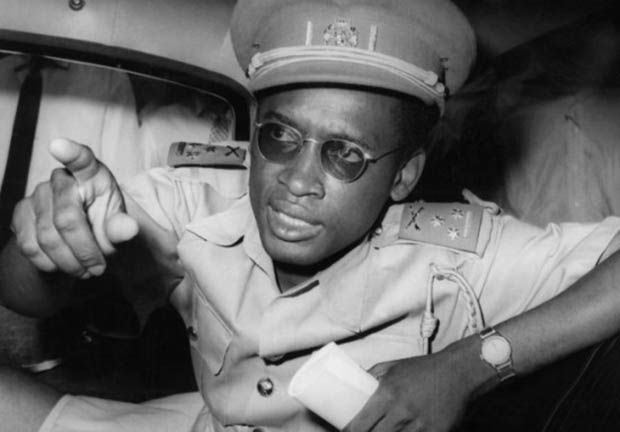
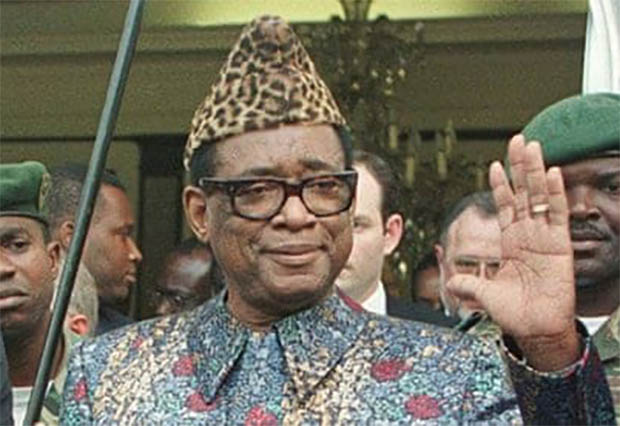
    Mobutu was supported by the USA, he remained in power till 1997, and he changed the name of the country to Zaire, also plundered the nation of its resources during the period, without any development in the country.

  • 1994
       

    1994 – 

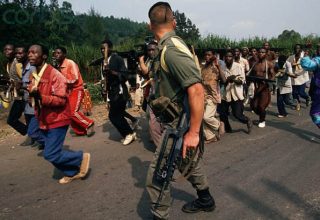
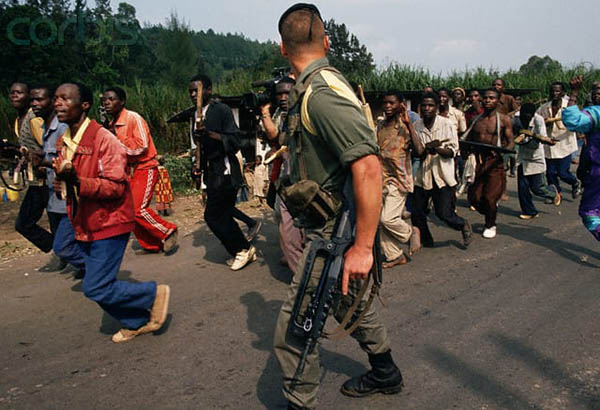
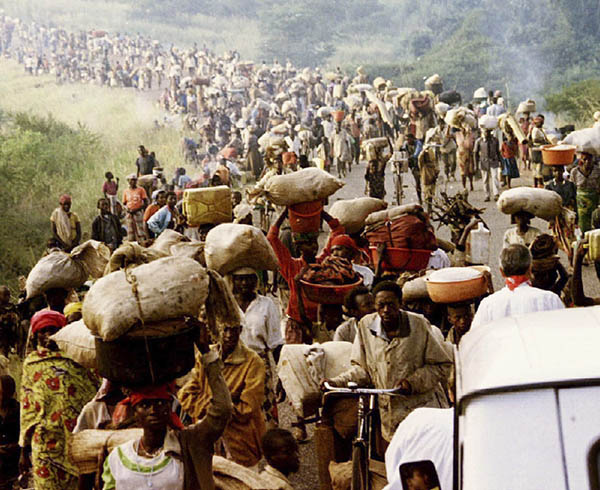
    In 1994, after the civil war in Rwanda, many of their former government forces and militia, called the Interahamwe, fled to Eastern Zaire from where they used to carry out cross border raids to Rwanda.

  • 1997
       

    1997 – 

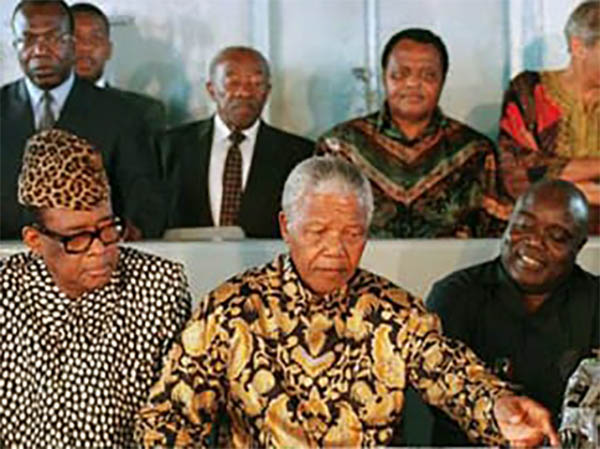
    In 1996, the government of Rwanda decided to invade Zaire, in order to remove the Interahamwe threat from Eastern Zaire. They eventually crossed the country, ending up removing President Mobutu in May 1997. The name of the country was changed back to the Democratic Republic of the Congo.

  • 2002
       

    2002 – 

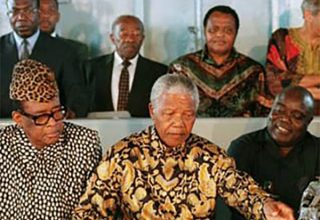
    Shortly after the new President Laurent Kabila took power, there was another war, involving a number of African countries and different rebel groups in the DRC. After a peace agreement in 2002, the African nations made peace and withdrew. Unfortunately, the rebel groups did not make peace and many of them are in operation to this day.
Pre140014831870188419081960PreludeToConflictsMutiny1965Zaire199419972002

  • It is believed humans lived in the DRC for 1000s of years; however, the first real states of Kanga, the Lunda, Luba and Kuba in the region were founded from the 14th century onwards.

  • In 1483, the Portuguese explorer Diego Cao reached the coast of the Kanga kingdom. The Portuguese started trade with the kingdom, followed in addition to the Trans Atlantic Slave trade from the mid 1500 to 1850.

  • In 1870, the explorer Henry Morton Stanley arrived in the Kanga Kingdom and explored much of the present day DRC.

  • After the Berlin Conference of 1884, the entire landmass of the DRC was given to King Leopold II as his personal property, which he named The Congo Free State.

  • King Leopold exploited the Congo Free State for its resources over the next 23 years. It is believed the country lost almost half its population, due to extreme human rights abuses. When reports of King Leopold II atrocities became known to the general public outside Belgium, there was such an outcry he had to transfer ownership of the country to the government of Belgium, it thereby became known as the Belgian Congo.

  • The Belgian Congo remained a Belgian colony till 1960, when the winds of change swept through Africa and the Belgian Congo was granted its independence. It became known as the Democratic Republic of the Congo.

  • NB – It must be noted, during the colonial period the Belgians ensured the Congolese were not well educated. Therefore at independence not a single native Congolese had above high school education, and both the new President Kasavubu and the Prime Minister Patrick Lumumba had just received basic education. Lumumba just had a bit more specialist training from his post office job, Kasavubu received some seminary training after school. Neither of them had even run an organization.

  • Two days after independence, there was mutiny in the army, shortly afterwards one of the provinces, Katanga, seceded from the Congo. Lumumba made the mistake of requesting Soviet military assistance, which plunged the Congo into the Cold War.

  • There was a civil war from 1960 to 1965, with external powers from East and West instigating the Congolese. Lumumba was murdered in 1961, and finally, in 1965, Mobutu took full power and appointed himself head of state.

  • Mobutu was supported by the USA, he remained in power till 1997, and he changed the name of the country to Zaire, also plundered the nation of its resources during the period, without any development in the country.

  • In 1994, after the civil war in Rwanda, many of their former government forces and militia, called the Interahamwe, fled to Eastern Zaire from where they used to carry out cross border raids to Rwanda.

  • In 1996, the government of Rwanda decided to invade Zaire, in order to remove the Interahamwe threat from Eastern Zaire. They eventually crossed the country, ending up removing President Mobutu in May 1997. The name of the country was changed back to the Democratic Republic of the Congo.

  • Shortly after the new President Laurent Kabila took power, there was another war, involving a number of African countries and different rebel groups in the DRC. After a peace agreement in 2002, the African nations made peace and withdrew. Unfortunately, the rebel groups did not make peace and many of them are in operation to this day.
Aftermath

  • Over 6 million people have died in the conflict in the DRC since 1996, making it the bloodiest conflict since World War 2.
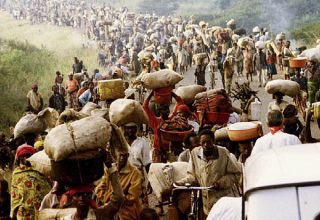
  • There are currently over 5.5 million displaced citizens in the country, many of whom do not have any means of sustaining themselves.
  • Over 125 different rebel groups operate in Eastern Congo.
  • A majority of the violence is mostly concentrated in three provinces, North and South Kivu, also Ituri.
  • A major factor causing the continuation of the fighting are the minerals in Eastern Congo, which fund the various rebel groups.
  • There have been extreme human rights abuses on the civilian population living in the conflict zone, especially on women.
Though there are many challenges caused by years of poor governance and war, the local communities have to start building from somewhere.

We are dedicated to assisting the most vulnerable in our society.

Support

Please support us in making a difference in rebuilding our society.

© Copyright 2022 Shout For Congo